

Moringa Leaves and Vitamin B12: Separating Facts from Fiction
Moringa oleifera has earned its place in the pantheon of superfoods, and its leaves are the primary reason why. Packed with an astonishing range of nutrients, moringa leaves have been used for centuries to support health and vitality. However, as their popularity has surged, so has the spread of misinformation. One of the most persistent and debated topics is the presence of B12 in moringa leaves.
For those on plant-based diets, finding a natural source of Vitamin B12 is the ultimate nutritional quest. Many have hopefully turned to moringa, but what does the science actually say? Is there really B12 in moringa, or is it a myth? This article will separate fact from fiction, offering an evidence-based look at the nutritional profile of moringa leaves and their relationship with Vitamin B12.
What Makes Moringa Leaves So Nutritionally Powerful?
Before we dive into the B12 debate, it’s important to understand why moringa leaves are so revered in the first place. Their nutritional profile is nothing short of extraordinary. Gram for gram, the leaves contain:
- A Wealth of Vitamins: They are an excellent source of Vitamin A (as beta-carotene), Vitamin C, Vitamin E, and several B vitamins.
- Essential Minerals: Moringa leaves are rich in iron, calcium, potassium, and magnesium, which are vital for everything from bone health to muscle function.
- Complete Plant Protein: Unusually for a plant, moringa leaves contain all nine essential amino acids, making them a complete protein source ideal for muscle repair and growth.
- Potent Antioxidants: They are loaded with antioxidants like quercetin, chlorogenic acid, and beta-carotene, which help protect the body against cellular damage caused by free radicals.
This powerful combination of nutrients is what makes moringa a fantastic supplement for supporting energy levels, immune function, and overall well-being. But does this impressive profile include the elusive Vitamin B12?
 Does Fresh Moringa Leaf Contain B12?
The core of the issue lies here. Vitamin B12 is produced by microorganisms, not by plants themselves. These bacteria are found in soil and the guts of animals. Therefore, any B12 found on a plant is typically due to microbial contamination from the soil or environment.
Some studies have detected trace amounts of Vitamin B12 on the surface of fresh, unwashed moringa leaves. This has led to claims that moringa is a source of B12. However, these findings come with critical caveats:
- Surface Contamination: The B12 is not an intrinsic part of the leaf; it’s from external bacteria. Washing the leaves a necessary step for safe consumption would likely remove most of it.
- Inactive Analogues: Even if B12 is present, it's often in the form of inactive analogues (pseudo-B12). These compounds are structurally similar to true B12 but are not usable by the human body. Worse, they can compete with active B12 for absorption, potentially hindering your B12 status rather than helping it.
So, while you might find minuscule, inconsistent traces of B12 in moringa leaves, it is not a reliable or meaningful source.
Fresh Moringa Leaves vs. Dried Powder: What's the Difference?
Moringa is consumed in two main forms: fresh leaves and dried powder. The nutritional content varies between them.
- Fresh Moringa Leaves: Like other leafy greens, fresh leaves have a high water content. They are rich in Vitamin C, but this vitamin is heat-sensitive and degrades over time and with cooking.
- Dried Moringa Powder: The drying process concentrates the nutrients significantly. As the water is removed, the density of minerals, protein, and most vitamins increases dramatically. This is why Organic Moringa Leaf Powder is such a potent supplement. However, the drying process can reduce the content of heat-sensitive vitamins like Vitamin C.
Regarding B12, the same logic applies. Any superficial B12 on fresh leaves is likely lost during the washing and drying process required to create the powder. Therefore, neither form can be considered a dependable source of the vitamin.
What Scientific Studies Suggest About B12 in Moringa
The scientific community has approached this topic with caution. While a handful of studies have reported detecting B12 in moringa, these are often outweighed by research that finds none or clarifies that what is present are non-bioavailable analogues.
The consensus among nutrition scientists and dietetic associations is clear: there are no known reliable plant sources of Vitamin B12. Claims that moringa is an exception are not supported by the weight of scientific evidence. The risk of B12 deficiency which can lead to serious neurological and hematological problems is too great to rely on a source that is, at best, inconsistent and, at worst, ineffective.
How to Incorporate Moringa Leaves into Daily Nutrition
Despite not being a B12 solution, moringa remains one of the most nutritious plants on the planet. Incorporating it into your diet is a fantastic way to boost your overall nutrient intake.
If you have access to a moringa tree, you can use the fresh leaves in salads, stir-fries, or soups, adding them near the end of cooking to preserve their nutrients.
For most people, moringa powder is the most convenient and potent option.

Best Ways to Use Moringa Powder Daily
Organic Moringa Leaf Powder has a mild, earthy flavor that blends seamlessly into many recipes. Here are some of the easiest and most popular ways to use it:
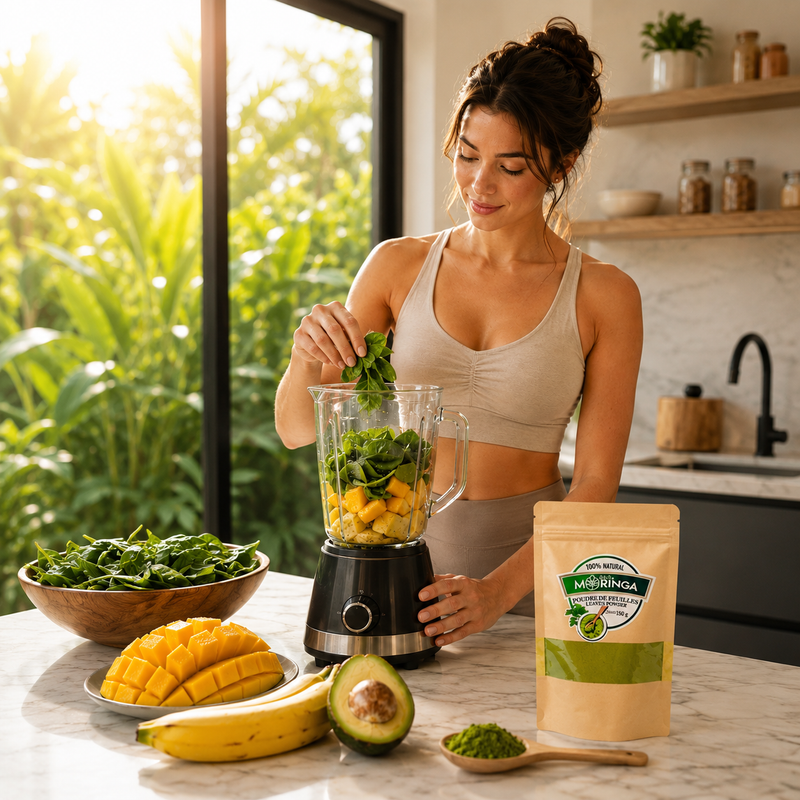
- Smoothies and Juices: Add a teaspoon to your morning smoothie for a nutrient-packed start to your day. It pairs well with fruits like banana, mango, and pineapple.
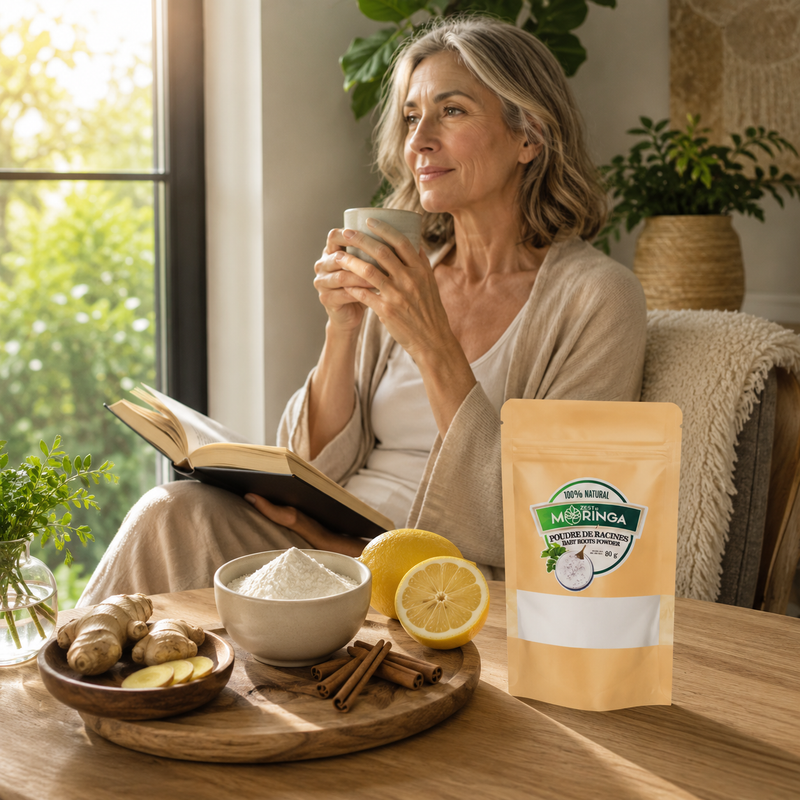
- Teas and Lattes: Whisk a teaspoon of moringa powder into hot water with a squeeze of lemon and a touch of honey for a simple, nourishing tea. You can also add it to matcha or turmeric lattes.
- Soups and Sauces: Stir moringa powder into soups, stews, curries, and sauces just before serving. It will boost the nutritional content without significantly altering the flavor.
- Baked Goods: You can even add moringa to energy balls, muffins, or healthy pancake batter for an extra green kick.
Frequently Asked Questions (FAQ)
Q: Is moringa enough for my B12 needs?
A: No. Moringa is not a sufficient or reliable source of Vitamin B12. The amounts detected are negligible, and it is likely not in a form your body can use.
Q: Should vegans and vegetarians rely on moringa for their B12 needs?
A: Absolutely not. Vegans and vegetarians must obtain Vitamin B12 from fortified foods (like nutritional yeast, plant milks, and cereals) or a dedicated B12 supplement. Relying on moringa for B12 puts you at a significant risk.
Conclusion: Embrace Moringa for the Right Reasons
Moringa leaves are a true gift from nature, offering a dense and diverse profile of vitamins, minerals, and complete protein. They are a powerful tool for enhancing your diet and supporting your overall health.
However, it is crucial to separate fact from fiction. The evidence is clear that moringa is not a reliable source of Vitamin B12. Embrace moringa for its proven benefits its antioxidant power, its iron and calcium content, its energy-supporting properties but do not look to it to solve the B12 puzzle. For that, trust the science and turn to fortified foods or supplements.
At Zest of Moringa, we believe in transparency and providing you with the highest quality products to genuinely support your wellness journey.

0 Comments