

The moringa tree (Moringa oleifera) has been growing in tropical and sub-tropical regions for thousands of years. Long before the modern "superfood" label, the leaves, seeds, oil, and roots were used in traditional cuisines and herbal traditions across South Asia, Africa, and the Caribbean.
A Tree That Earns Its Keep
Moringa trees are remarkably productive. They grow quickly, even in poor soil. Their leaves can be harvested year-round, their pods produce edible seeds, and the seeds yield a clear, lightweight oil through cold-pressing.
For households that have grown moringa traditionally, almost every part of the tree gets used:
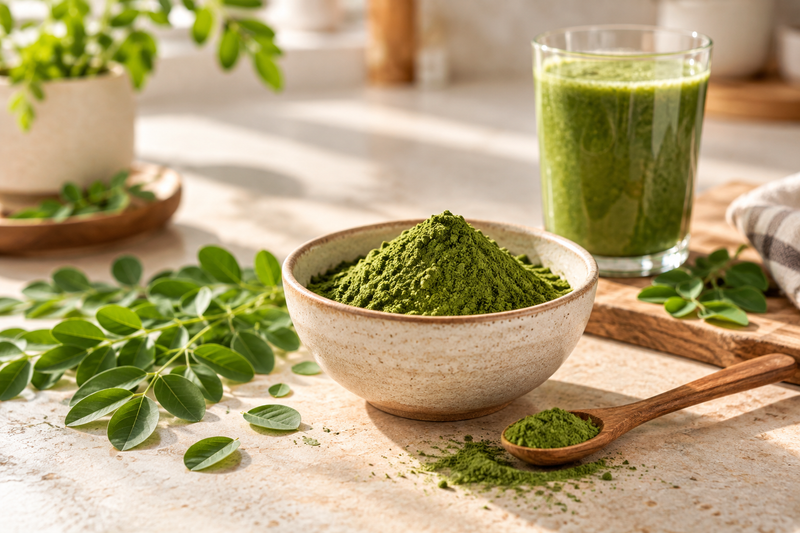
- Leaves — cooked fresh or dried into powder.
- Seed pods — eaten when young (called "drumsticks" in some cuisines).
- Mature seeds — chewed, soaked, or pressed for oil.
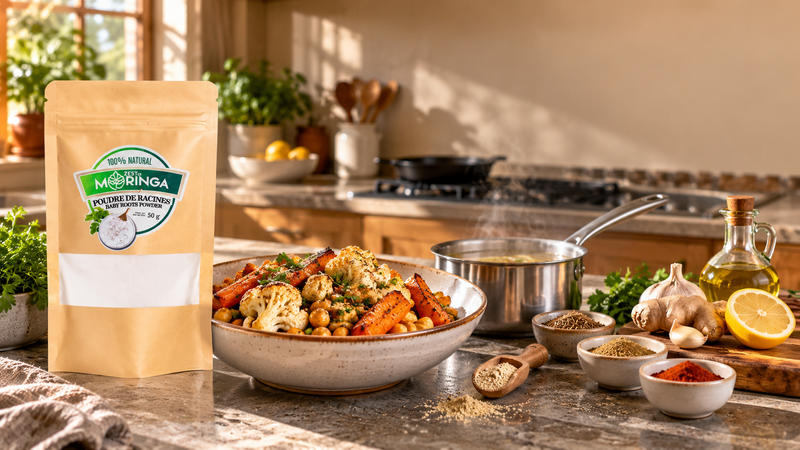
- Roots — ground for a peppery cooking ingredient.
- Bark and resin — used historically in various traditions.
Modern Use
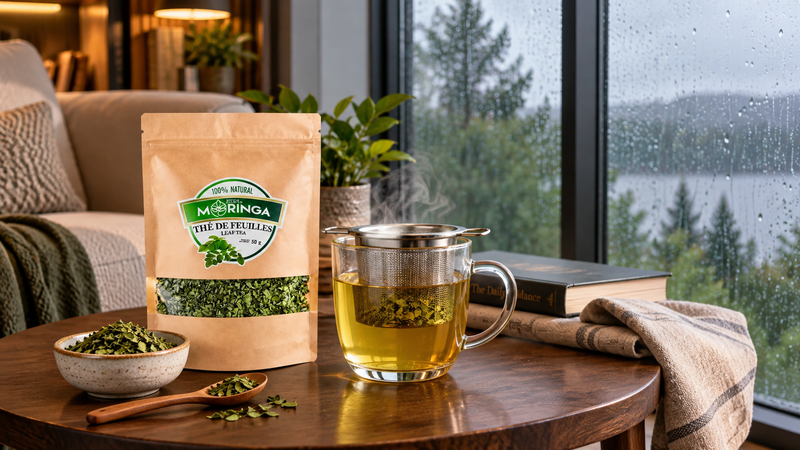
Today, moringa shows up in a wide range of formats: leaf powders, capsules, teas, cold-pressed face oils, and even hair pomades and shampoos.
What to Expect
Moringa is a plant ingredient, not a medication. It works best as a small daily habit alongside the basics of any wellness routine: a balanced diet, regular movement, hydration, and consistent sleep. Used that way, it earns its place — as a useful, versatile, plant-based ingredient with a long history.
Speak with a healthcare professional before adding new herbs to your routine. This article is general in nature and not medical advice.
0 Comments