

Search results are full of bold claims about Moringa oleifera: some accurate, some exaggerated, some completely misleading. As moringa grows in popularity among people interested in plant-based wellness, many shoppers want honest information about what it can and cannot do.
This guide answers the questions people ask us most, using a balanced and realistic approach.
Is Moringa a Superfood?
Superfood is mainly a marketing term rather than a scientific classification.
Moringa leaves are considered nutritionally dense because they naturally contain plant fibre, plant protein, iron, calcium, magnesium, potassium and antioxidants.
Like many leafy green plants, moringa can be a useful addition to a balanced diet. It should not be viewed as a miracle ingredient or a cure-all. We look at this in more depth in Beyond the Superfood Hype.
Will Moringa Cure Any Disease?
No food, herb or supplement should be described as a cure for a medical condition.
Moringa is a plant ingredient that may support a healthy lifestyle alongside balanced nutrition and healthy habits. It is not a replacement for medical treatment, prescription medication or professional healthcare advice.
Always speak with a qualified healthcare professional about any medical condition or treatment plan.
Can Moringa Help With Weight Loss?
Health authorities such as Health Canada do not permit approved weight-loss claims for moringa products.
Long-term changes in body composition are typically influenced by nutrition habits, physical activity, sleep quality, stress management and overall calorie balance. No single food or supplement creates sustainable weight loss on its own.
That said, some people choose to include moringa in smoothies, teas or wellness routines as part of a balanced lifestyle.

Is Moringa Safe During Pregnancy?
The leaf portion of moringa is generally considered more appropriate than the seeds or roots.
However, pregnant or nursing individuals should always speak with a healthcare professional before adding new herbs or supplements to their routine.
Moringa seeds and root powder are commonly not recommended during pregnancy.
Does Moringa Interact With Medications?
Yes, moringa may interact with certain medications. Potential interactions may involve medications related to blood pressure, blood sugar and thyroid function.
If you take prescription medication, consult your doctor or pharmacist before regularly consuming moringa supplements or powders. Our article on moringa benefits, side effects and things to watch for goes into more detail.
How Much Moringa Should You Take Daily?
Moderation matters. Typical serving suggestions are around one teaspoon (roughly 1.5 g) of moringa leaf powder daily, or 1 to 2 capsules depending on the product format.
More is not always better, especially with concentrated plant products. Always follow the product instructions and professional guidance. For practical measurements, see how to use moringa powder.
How to Choose High-Quality Moringa Products
Not all moringa products are made equally. When shopping, look for single-ingredient formulas, traceable sourcing, minimal processing, no unnecessary fillers or binders, and proper storage packaging.
Stone-ground or carefully processed moringa products are often preferred for maintaining freshness and quality. You can see how ours is made in our organic moringa leaf powder guide.
Moringa Leaf vs. Seed vs. Root
Different parts of the moringa plant are traditionally used differently.
Moringa Leaf
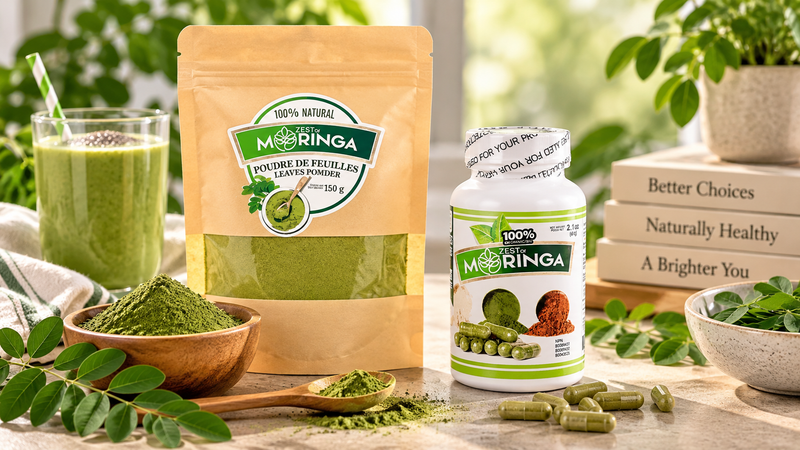
Most commonly used in smoothies, teas, capsules and wellness powders.
Moringa Seed
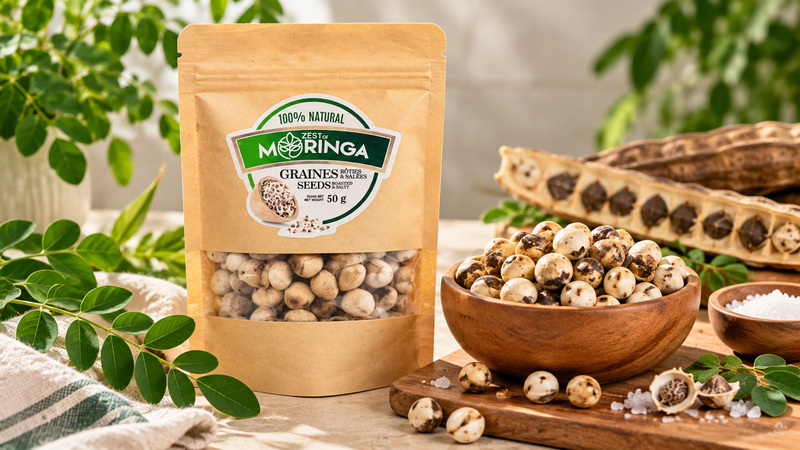
Often used as a roasted snack, as a culinary ingredient, or in seed powder blends. The natural seed can also be planted.
Moringa Root
Traditionally used more like a spice because of its stronger, peppery flavour. See our guide to moringa root powder.
Final Thoughts on Moringa
Moringa can play a useful role in a varied, plant-focused lifestyle. It provides naturally occurring nutrients and has become popular in wellness communities for good reason.
At the same time, it is important to separate realistic nutritional value from exaggerated internet claims.
The most effective wellness routines are usually built on consistency, balanced nutrition, exercise, sleep, hydration and professional medical guidance when needed. Browse all of our moringa guides to go further.
0 Comments