

Moringa quietly entered the wellness vocabulary over the last decade. Once mostly known in South Asian, Caribbean, and African kitchens, it now appears in cafes, supplement aisles, and skincare lines worldwide. Here's why a single plant earns space in so many different products.
One Plant, Many Products
Different parts of the moringa tree end up in different formats:
- Leaves — dried and ground into leaf powder, or used as caffeine-free tea.
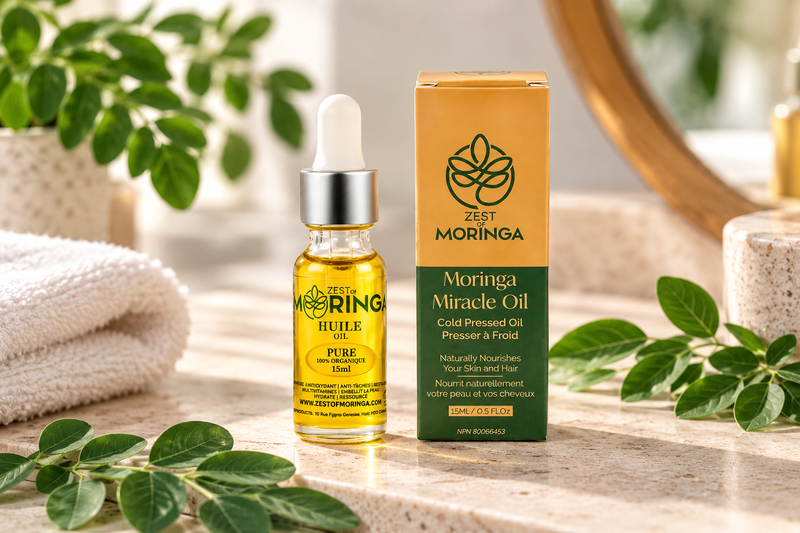
- Mature seeds — eaten raw or roasted, or pressed into cold-pressed oil.
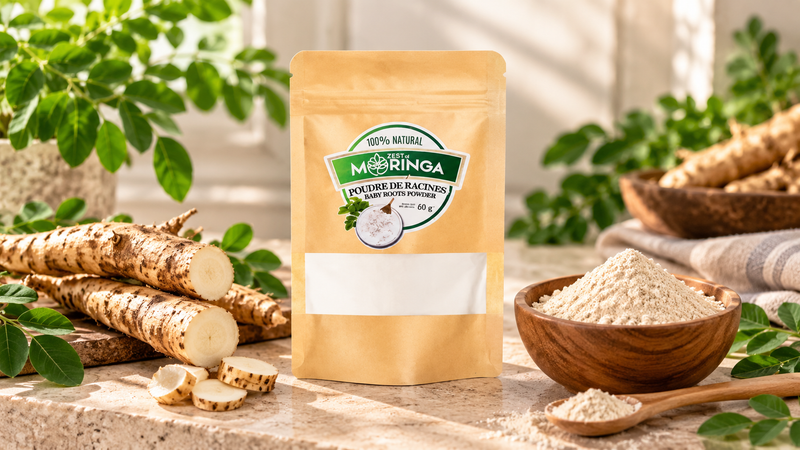
- Roots — dried and ground for a peppery cooking ingredient.
Why It's Useful
Moringa is the kind of single-ingredient food that's easy to integrate without overhauling your diet. The leaf powder fits into smoothies and yogurts. The oil works as a face and hair product. The tea slots into your afternoon. None of these require new equipment or new skills.
Where It Fits in a Modern Routine
- 1 teaspoon of leaf powder in a morning smoothie
- A cup of caffeine-free tea in the afternoon
- 2–3 drops of face oil on clean skin in the evening
- 1–2 vegan capsules with breakfast on travel days
Honest Framing
Moringa is a useful, versatile plant ingredient with a long traditional history. It's not a cure for any condition, not a weight-loss product, and not a replacement for a balanced diet. Used as one part of a varied routine, it earns its space.
Speak with a healthcare professional before adding new herbs to your routine.

0 Comments