

Moringa oleifera has been called many things across different cultures: the Miracle Tree, the Tree of Life, the Never Die Tree.
These names may sound like modern marketing slogans, but they come from centuries of traditional use throughout tropical regions.
So why has moringa earned such powerful nicknames? The answer lies in the plant's versatility, its resilience, and its long history in traditional food culture.
What Is Moringa Oleifera?
Moringa oleifera is a fast-growing tropical tree native to parts of South Asia, Africa and other warm climates.
It has become widely known in plant-based nutrition because multiple parts of the tree can be used for food, cooking, oils and traditional practices: leaf powder, tea, capsules, oil and seeds. That versatility is one of the main reasons it became known as the Miracle Tree. For a fuller introduction, see what is moringa oleifera.
Moringa's Many Traditional Uses
Nearly Every Part of the Tree Is Usable
One of the most distinctive characteristics of moringa is that almost every part of the plant has traditionally been used in some way.
Moringa Leaves
The leaves are commonly eaten fresh, added to soups and stews, dried into powder, or used in tea blends.
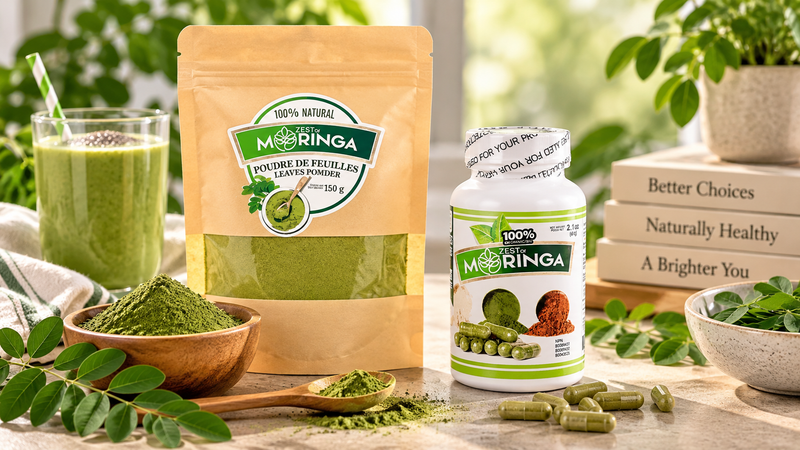
Moringa leaf powder is one of the most popular modern forms because it blends easily into smoothies and recipes.
Moringa Seed Pods (Drumsticks)
The immature seed pods are widely used in South Asian cuisine and are often called drumsticks because of their shape. They are commonly boiled, added to curries, or used in soups and savoury dishes.
Moringa Seeds
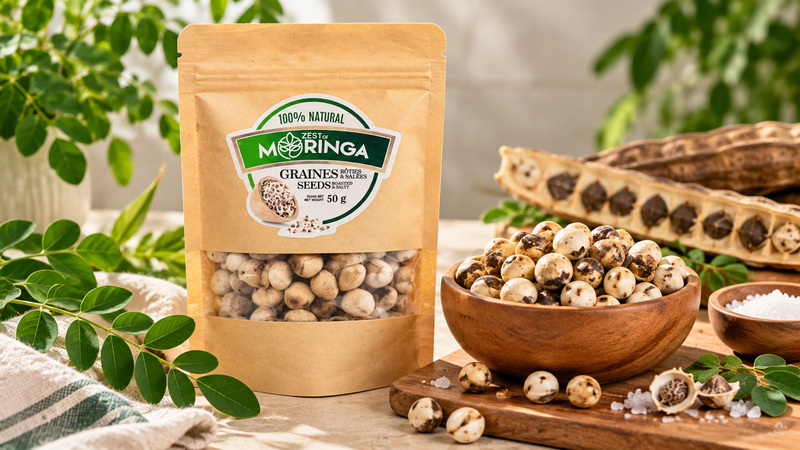
Mature seeds may be roasted as snacks, pressed for oil, or used for planting. Some people also use moringa seed powder in culinary recipes.

Moringa Oil
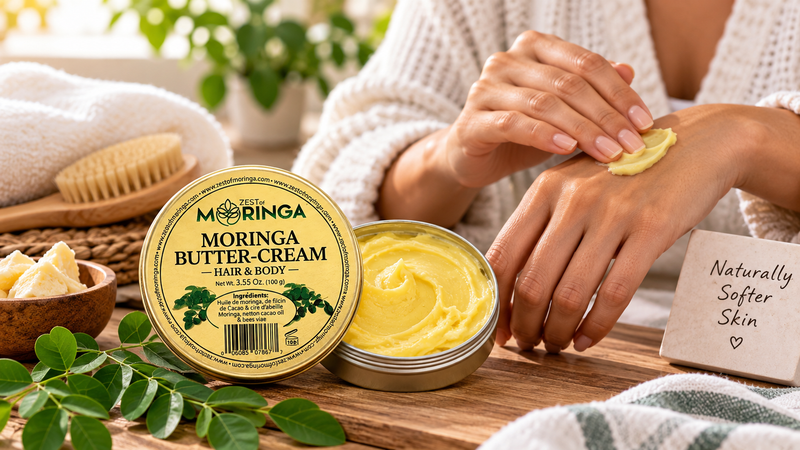
Cold-pressed moringa oil has become popular in skincare and cosmetic routines, appearing in facial oils, haircare products and botanical blends. Our guide to using moringa oil on skin and hair covers the practical side.
Moringa Roots, Bark and Flowers
In various traditional cultures, the roots, bark and flowers have also been used in cooking and herbal traditions. The root is far more peppery than the leaf and is treated more like a spice.
Why Moringa Became Important in Tropical Regions
A Fast-Growing and Resilient Tree
Another reason moringa became highly valued is that the tree grows rapidly in difficult conditions. It thrives in dry climates, poor soils, high temperatures and low-water environments.
Long before modern supplements existed, moringa served as a practical household resource in many tropical communities. That resilience is where names like Never Die Tree and Tree of Life come from.
Modern Moringa Products
Most people today do not harvest moringa from a backyard tree. Instead it is sold in convenient formats.
Moringa Leaf Powder
Used in smoothies, wellness drinks, recipes and yogurt bowls.
Moringa Tea
Popular as a caffeine-free herbal infusion and a daily ritual. See when to drink moringa tea.
Moringa Capsules
Chosen for convenience, travel and simple daily routines.
Moringa Seeds
Consumed raw, roasted, or as a culinary ingredient.
Moringa Oil
Integrated into skincare, haircare and botanical beauty products.
The formats have changed. The plant has not.
Is Moringa Really a Miracle Plant?
Separating Tradition From Marketing
The word miracle can create unrealistic expectations. Moringa is nutritionally interesting and highly versatile, but wellness claims deserve a realistic reading.
Moringa is a plant ingredient, a source of naturally occurring nutrients, part of traditional food cultures, and useful within a balanced routine.
Moringa is not a cure-all, not a replacement for medical care, and not a substitute for healthy lifestyle habits. We go further into this in the truth about moringa.
The healthiest approach is usually balance, moderation and consistency.
How to Add Moringa to a Balanced Lifestyle
Many people include moringa in smoothie routines, herbal tea rituals, plant-based nutrition, culinary experimentation and natural skincare habits.
Like spinach, kale or matcha, moringa can be one part of a varied lifestyle focused on whole foods. Our guide on how to use moringa powder is the most practical starting point.
Frequently Asked Questions
Why is moringa called the Tree of Life?
Because many parts of the tree have traditionally been used for food, cooking and practical household purposes.
Is moringa a superfood?
Superfood is mostly a marketing term, but moringa is considered nutritionally dense.
Can you eat moringa every day?
Many people use moringa daily in moderate amounts as part of a balanced routine.
What does moringa taste like?
Moringa leaf powder is usually described as earthy, green and slightly grassy.
Final Thoughts on the Miracle Tree
The story of moringa is not really about miracles. It is about a resilient tropical plant that has supported communities for generations through its versatility and nutritional value.
That long history explains why cultures around the world gave it names like the Miracle Tree and the Tree of Life.
Today moringa continues to appear in modern products while remaining rooted in traditional plant-based use. Browse all of our moringa guides to explore further.
0 Comments