

How to Use Moringa Shampoo & Conditioner: A Simple Wash-Day Routine
A good hair-care routine doesn't need ten different products or an hour in front of the bathroom mirror.
Sometimes, the most effective approach is also the simplest: cleanse your scalp properly, condition your hair according to its needs, and avoid habits that contribute to dryness and breakage.
That's where moringa shampoo and conditioner can become part of a practical everyday routine.
Whether you have straight, wavy, curly, or textured hair, understanding how to wash and condition your hair correctly can make a noticeable difference in how it feels and looks.
In this guide, we'll explain how to use moringa shampoo and conditioner, how often to wash your hair, how 2-in-1 products work, and how to build a simple wash-day routine.
Why Your Hair-Care Routine Matters
Your scalp naturally produces sebum, an oil that helps lubricate the skin and hair.
Throughout the day, sebum can mix with sweat, environmental particles, and styling-product residue.
Over time, this buildup may leave your hair feeling heavy or your scalp uncomfortable.
Shampoo helps remove excess oil and buildup, while conditioning ingredients help improve softness and manageability.
A consistent routine can help maintain clean, comfortable hair without unnecessary steps.
The key is finding a balance between cleansing and conditioning.
What Is Moringa Shampoo & Conditioner?
Moringa shampoo and conditioner refers to hair-care products formulated with moringa-derived ingredients.
Depending on the product, these ingredients may include moringa seed oil or botanical extracts from Moringa oleifera.
Moringa seed oil is used in cosmetics for its emollient properties, which help soften and condition hair.
However, the performance of a shampoo depends on its entire formulation—not just one botanical ingredient.
A well-formulated shampoo should cleanse effectively, while conditioning ingredients help improve the hair's feel after washing.
What Is a 2-in-1 Moringa Shampoo and Conditioner?
A 2-in-1 shampoo and conditioner combines cleansing and conditioning functions in one product.
Traditional shampoo and conditioner routines usually involve two separate steps.
First, shampoo removes excess oil and buildup.
Then, conditioner is applied to improve softness and manageability.
A 2-in-1 product is designed to provide both functions during the same wash.
This makes it a convenient option for people who prefer a straightforward hair-care routine.
Why Choose a 2-in-1 Product?
A 2-in-1 formula may appeal to people who:
-
Prefer fewer products in the shower
-
Have busy morning routines
-
Travel frequently
-
Want a straightforward washing routine
-
Prefer combining cleansing and conditioning
However, people with particularly dry, chemically treated, or highly textured hair may still benefit from additional conditioning.
How to Use Moringa Shampoo & Conditioner Correctly
Using the right washing technique can be just as important as choosing the product.
Follow these simple steps.
Step 1: Wet Your Hair Thoroughly
Before applying shampoo, make sure your hair and scalp are completely wet.
Use comfortably warm water rather than excessively hot water.
Thoroughly wetting the hair helps distribute the cleanser more evenly.
Step 2: Apply an Appropriate Amount
Dispense the amount recommended on your shampoo's label.
The quantity needed can vary according to hair length, density, and product formulation.
Using more shampoo doesn't automatically mean your hair will become cleaner.
Step 3: Focus on Your Scalp
Gently massage the product into your scalp using your fingertips.
Concentrate on areas where oil and styling products tend to accumulate.
Avoid scratching aggressively with your fingernails.
Your scalp should be cleansed gently rather than scrubbed harshly.
Step 4: Work Through the Hair
Allow the product to distribute through your hair as directed.
You generally don't need to rub the lengths of your hair aggressively.
Excessive friction can contribute to tangling, particularly when hair is wet.
Step 5: Rinse Thoroughly
Rinse your hair with clean water until the product has been removed.
Leftover cleansing or conditioning residue may leave some hair types feeling heavy.
Step 6: Add Extra Conditioner If Needed
If you're using a 2-in-1 formula and your hair still feels dry or difficult to detangle, consider adding a separate conditioner when appropriate.
Focus on the lengths and ends, following that product's instructions.
Step 7: Dry Your Hair Gently
After washing, gently squeeze excess water from your hair.
Avoid aggressively rubbing it with a towel.
A soft towel or microfiber cloth can help remove water while minimizing unnecessary friction.
How Often Should You Wash Your Hair?
There isn't one universal washing schedule that works for everyone.
The ideal frequency depends on your scalp, hair type, activity level, and styling habits.
Oily Scalp
People with oily scalps may prefer washing more frequently to remove excess sebum.
Dry Hair
People with dry-feeling hair may prefer less frequent washing and additional conditioning.
Curly or Coily Hair
Curly and coily hair can be more prone to dryness along the lengths because natural scalp oils may not spread as easily through the hair.
A washing schedule that includes appropriate conditioning can help maintain manageability.
Active Lifestyle
If you exercise frequently or sweat heavily, you may need to adjust your cleansing routine.
The best schedule is the one that keeps your scalp comfortable without leaving your hair unnecessarily dry.
How to Build a Simple Weekly Hair-Care Routine
A practical routine should be easy to maintain.
Here's an example of how you might organize your hair care.
On Wash Day
Wet your hair thoroughly and cleanse with your moringa shampoo and conditioner.
Massage the scalp gently and rinse well.
Add extra conditioning if your hair needs it.
Between Washes
Brush or detangle gently according to your hair type.
Avoid unnecessary heat styling.
If the ends feel dry, consider applying a small amount of an appropriate hair-conditioning oil.
Before Your Next Wash
Pay attention to your scalp.
If it feels oily or your hair has accumulated styling products, it may be time to wash again.
If your hair still feels clean and comfortable, there may be no need to wash simply because a certain number of days has passed.
Your routine should respond to your hair's needs.
How to Use Moringa Oil After Shampooing
Moringa shampoo and moringa seed oil can serve different roles in the same hair-care routine.
Shampoo primarily cleanses.
Conditioning ingredients help improve softness and manageability.
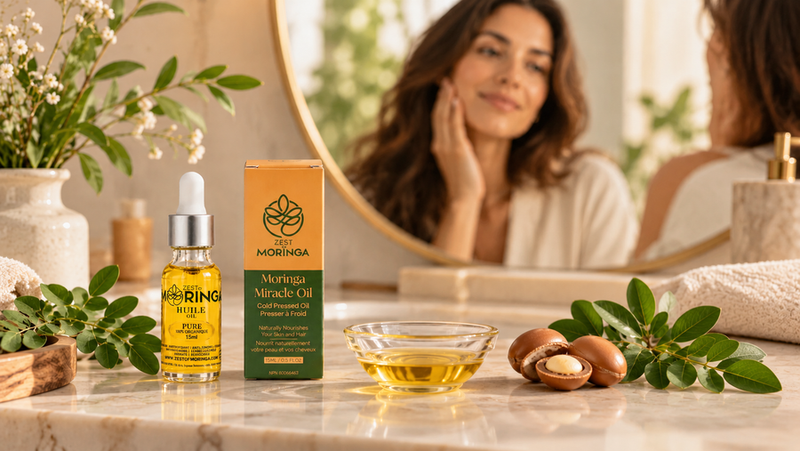
Moringa seed oil can provide additional cosmetic conditioning when applied in small amounts.
After washing and gently drying your hair, warm one or two drops of cosmetic moringa oil between your palms.
Lightly smooth the oil through the ends of your hair.
Avoid applying excessive amounts, particularly if you have fine hair.
A little may be enough to improve the feel and appearance of dry ends.
Common Hair-Washing Mistakes to Avoid
Even a simple routine can become less effective when certain habits are repeated.
1. Using Excessively Hot Water
Very hot water isn't necessary for effective cleansing.
Comfortably warm water is usually sufficient.
2. Applying Too Much Shampoo
More product doesn't always produce better results.
Follow the directions and adjust according to your hair length and density.
3. Scrubbing the Scalp Aggressively
Aggressive scrubbing can cause discomfort and unnecessary friction.
Use your fingertips and massage gently.
4. Forgetting to Rinse Thoroughly
Residual product can leave hair feeling heavy or coated.
Take enough time to rinse properly.
5. Rubbing Wet Hair With a Towel
Wet hair can be vulnerable to mechanical damage.
Gently squeeze or blot away excess water instead.
6. Using Too Much Hair Oil
Botanical oils can help condition hair, but excessive amounts may leave it greasy.
Start with a small quantity.
7. Following Someone Else's Washing Schedule
Your scalp and hair may have completely different needs from another person's.
Choose a schedule that works for you.

Moringa Shampoo for Curly and Textured Hair
Curly and textured hair often benefits from particular attention to conditioning and gentle handling.
A moringa-based shampoo can form part of a cleansing routine, but its suitability depends on the full formulation.
If your hair tends to become dry after washing, consider using additional conditioner or a leave-in product suited to your texture.
Detangle gently and avoid unnecessary pulling.
The goal is clean hair that remains comfortable and manageable.
Moringa Shampoo for Fine Hair
Fine hair can become weighed down when too much conditioning product is applied.
If you have fine hair, start with a modest amount of shampoo and conditioner.
Rinse thoroughly.
If you use moringa oil afterward, apply only a tiny amount to the ends.
Avoid automatically applying heavy oils across your entire scalp.
Moringa Shampoo for Dry Hair
Dry-feeling hair may benefit from a routine that balances cleansing with appropriate conditioning.
Consider using lukewarm water, avoiding aggressive towel drying, and limiting excessive heat styling.
A 2-in-1 product may provide sufficient conditioning for some people.
Others may prefer an additional conditioner or hair mask.
The right routine depends on your individual hair.
Hair Care During Canadian Winters
Canadian winters can create additional challenges for hair care.
Cold outdoor air, wind, indoor heating, and frequent use of hats can affect how hair feels and behaves.
During colder months, you may notice:
-
Increased dryness
-
Static electricity
-
More tangling
-
Dry-feeling ends
-
Greater need for conditioning
Consider reducing unnecessary heat styling and paying extra attention to dry areas.
A small amount of cosmetic moringa seed oil may complement your routine when the ends of your hair need additional conditioning.
Is Moringa Shampoo Suitable for Men and Women?
Hair-care products don't necessarily need to be divided by gender.
The more useful factors are hair texture, scalp condition, washing frequency, and styling habits.
Both men and women can use an appropriately formulated moringa shampoo and conditioner.
Choose based on your hair's needs rather than marketing labels.
Can You Use Moringa Shampoo Every Day?
Whether daily washing is appropriate depends on your scalp, hair type, and the product formulation.
Some people with oily scalps wash frequently.
Others with dry or textured hair may prefer longer intervals.
Follow the manufacturer's directions and adjust your routine according to how your scalp and hair respond.
If you develop persistent irritation, itching, or flaking, seek advice from a qualified healthcare professional.
Does Moringa Shampoo Help Hair Grow?
Moringa-derived ingredients can be used in products designed to cleanse and condition hair.
However, cosmetic conditioning should not be confused with medically treating hair loss.
There is insufficient clinical evidence to establish that moringa shampoo reliably stimulates new hair growth.
If you're experiencing unexplained or significant hair loss, consider consulting a dermatologist.
How to Choose a Moringa Shampoo and Conditioner
Before purchasing, examine the product information.
Check the Ingredient List
Look for clear identification of the ingredients, including any moringa-derived components.
Understand the Product Type
Determine whether you're purchasing a shampoo, a conditioner, or a 2-in-1 formula.
Consider Your Hair Type
Think about whether your hair is fine, thick, curly, coily, dry, or oily.
Read the Directions
Follow the instructions for application, rinsing, and frequency of use.
Avoid Unrealistic Claims
Be cautious about shampoos promising guaranteed hair growth or medical treatment.
A good shampoo should be evaluated primarily on cleansing performance, conditioning, and how your hair feels afterward.
Frequently Asked Questions
How do you use moringa shampoo and conditioner?
Wet your hair thoroughly, apply the recommended amount, massage gently into the scalp, and rinse according to the product directions. If using a 2-in-1 formula, additional conditioner may be optional depending on your hair's needs.
Is a 2-in-1 shampoo and conditioner enough?
It can be sufficient for some people, particularly those who prefer a simple routine. Very dry, textured, or chemically treated hair may benefit from additional conditioning.
Can I use moringa shampoo every day?
That depends on your scalp, hair type, and the specific formulation. Follow the product directions and adjust washing frequency as needed.
Can I use moringa oil after shampooing?
Yes, if the oil is intended for cosmetic hair use. A small amount can be applied to dry-feeling lengths or ends for additional conditioning.
Is moringa shampoo good for curly hair?
A moringa-based shampoo may be suitable for curly hair, but results depend on the complete formulation and the hair's conditioning needs.
Does moringa shampoo prevent hair loss?
Moringa shampoo should not be considered a proven medical treatment for hair loss. Its primary purpose is cleansing and cosmetic conditioning.
How often should I condition my hair?
Conditioning frequency depends on hair texture, dryness, washing habits, and product instructions. Some people condition every wash, while others adjust according to their needs.
The Bottom Line
Learning how to use moringa shampoo and conditioner is really about understanding the basics of a good hair-care routine.
Cleanse the scalp gently.
Use an appropriate amount of product.
Rinse thoroughly.
Condition according to your hair's needs.
Avoid excessive heat, unnecessary friction, and complicated routines that don't provide additional value.
A well-formulated moringa shampoo and conditioner can fit naturally into these simple habits.
Consistency and proper technique matter more than the number of products on your bathroom shelf.
Discover Zest of Moringa 2-in-1 Shampoo & Conditioner
Looking for a convenient way to simplify your wash-day routine?
Explore Zest of Moringa 2-in-1 Shampoo & Conditioner, designed to combine cleansing and conditioning in one practical hair-care product.
For additional conditioning on dry-feeling ends, explore our Moringa Golden Oil collection.
Simple cleansing. Everyday conditioning. Naturally Moringa.

0 Comments